Every obstetrician tells new mothers to do Kegel exercises after delivery. But most women either don’t do them, do them incorrectly, or do them diligently for months and don’t see much improvement. So do they actually work?
The answer: yes, they can – but with important caveats.
What Are Kegel Exercises?
Kegel exercises are contractions of the pelvic floor muscles – the hammock of muscles that supports the bladder, uterus and bowel. They were designed to strengthen weakened pelvic floor muscles after childbirth or with ageing.
The Problem: Most Women Do Them Wrong
Studies suggest that up to 50% of women taught Kegel exercises do them incorrectly – pushing down instead of lifting up, contracting the wrong muscles, or not holding for long enough. Without proper guidance, months of practice can achieve little.
How to Do Kegel Exercises Correctly
Finding the Right Muscles
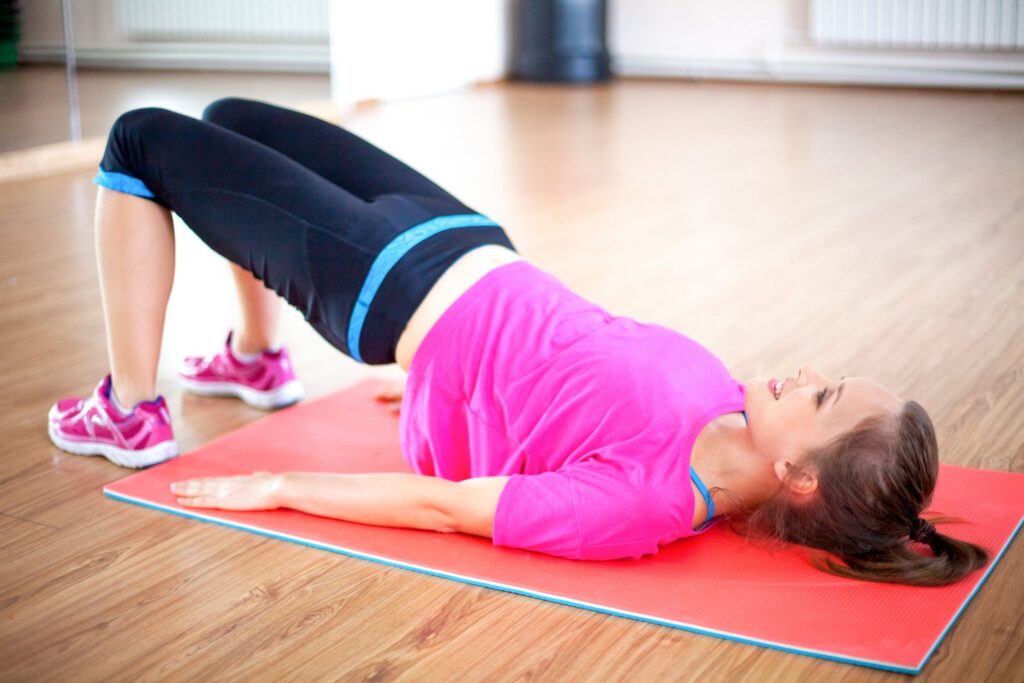
Imagine you are trying to stop the flow of urine midstream, and also trying to stop passing wind simultaneously. The muscles you’re contracting are your pelvic floor. Important: do not actually practice on the toilet mid-stream, as this can interfere with normal bladder control.
The Correct Technique
- Contract the pelvic floor muscles and hold for 5–10 seconds
- Fully relax for the same time
- Repeat 10–15 times per set, 3 sets per day
- Do not hold your breath or tighten your abdomen/buttocks – only the pelvic floor
- Progress to holding for longer (up to 10 seconds) as strength builds
When Do Kegels Work Best?
Kegel exercises work best for:
- Mild stress urinary incontinence
- Prevention of pelvic floor dysfunction in pregnancy pelvic floor dysfunction
- Postpartum recovery (starting from 6 weeks after delivery) postpartum recovery
When Kegels Are NOT Enough
For moderate to severe incontinence, Kegel exercises alone are unlikely to be sufficient. Options to consider alongside or instead:
- Laser therapy: Stimulates collagen in urethral support tissue, effective for moderate SUI without surgery
- Pelvic floor physiotherapy: Supervised sessions with biofeedback for proper technique and progressive training
- Surgical sling: For severe SUI that hasn’t responded to conservative treatment
Don’t suffer in silence. Learn about non-surgical laser treatment for urinary incontinence in Chandigarh or book your consultation today.