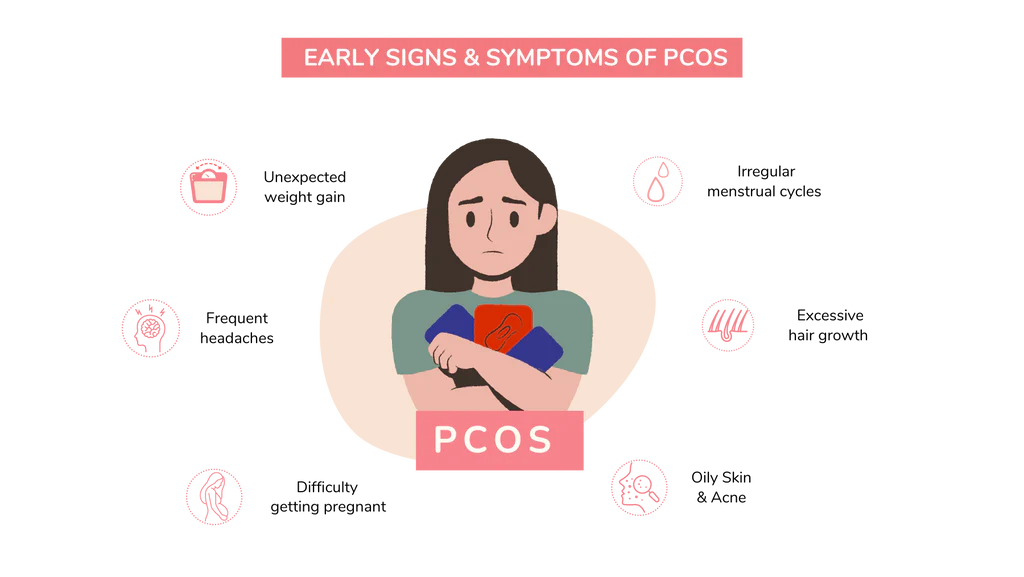
I meet women in my clinic every week who come in saying, “Doctor, I’ve had PCOS for years but lately something feels different.” And they’re right to pay attention to that feeling. PCOS – Polycystic Ovary Syndrome – isn’t a condition you manage once and forget. It can change, sometimes quietly, sometimes loudly.
Here are seven signs that your PCOS may be progressing, and what you should do if you notice them.
1. Your Periods Have Become More Irregular Than Before
If your cycles were coming every 35–45 days and now you’re going 60, 90 or even longer without a period, this is a red flag. Irregular cycles suggest your ovulation is becoming more disrupted. This isn’t just a fertility concern – it also affects your hormonal balance and endometrial health long-term.
2. Hair Thinning Is Getting Noticeable
PCOS-related hair loss – androgenic alopecia – tends to start slowly at the temples or crown. Women often notice their parting getting wider. If you’re losing more hair than you used to, your androgens (male hormones) may have increased. This needs hormonal evaluation.
3. Weight Is Creeping Up Despite No Change in Diet
Insulin resistance is at the core of most PCOS cases. When it worsens, your body stores fat more aggressively – particularly around the abdomen. If you’re eating the same but gaining weight, especially belly fat, this is a signal worth investigating with a glucose tolerance or insulin test.
4. Facial Hair or Body Hair Is Increasing
New hair on the chin, upper lip, chest or abdomen suggests rising androgen levels. While this is distressing cosmetically, it also points to hormonal imbalance that, if left unchecked, can impact fertility and metabolic health.
5. You’re Struggling to Conceive
PCOS is one of the most common causes of ovulatory infertility. If you’ve been trying to conceive for 6–12 months without success, and you have PCOS, it’s time to seek specialist evaluation. Early intervention with ovulation induction or other treatments significantly improves outcomes.
6. Skin Darkening Around Neck, Armpits or Groin
This is called acanthosis nigricans – dark, velvety patches on skin folds. It’s a direct sign of insulin resistance. If you’re seeing these patches appear or worsen, your metabolic PCOS may need more aggressive management including medication and dietary changes.
7. Mood Changes, Anxiety or Depression
The hormonal chaos of PCOS doesn’t just affect your body – it affects your mind. Many women with worsening PCOS experience mood swings, increased anxiety, or low moods that don’t seem tied to any obvious life event. This is real and it’s treatable.
What Should You Do?
If you’re seeing two or more of these signs, don’t wait. Come in for an evaluation. We’ll check your hormone levels, insulin resistance markers, ultrasound findings and overall health picture to see what’s changed and what needs attention.
At Sadhbhavna Clinics in Chandigarh, we take a personalised approach to PCOS – not one-size-fits-all tablets and “lose weight” advice. We look at the whole picture.
Book a PCOS Consultation in Chandigarh
Concerned about your PCOS? Book a consultation at Sadhbhavna Clinics, Chandigarh. Serving Mohali, Panchkula and the entire Tricity area.